Emergency Plumber in Reading, PA
A split pipe, a failed water heater or sewage coming up into the basement does not care what time it is. Phone at any hour and describe what you see to a plumber.
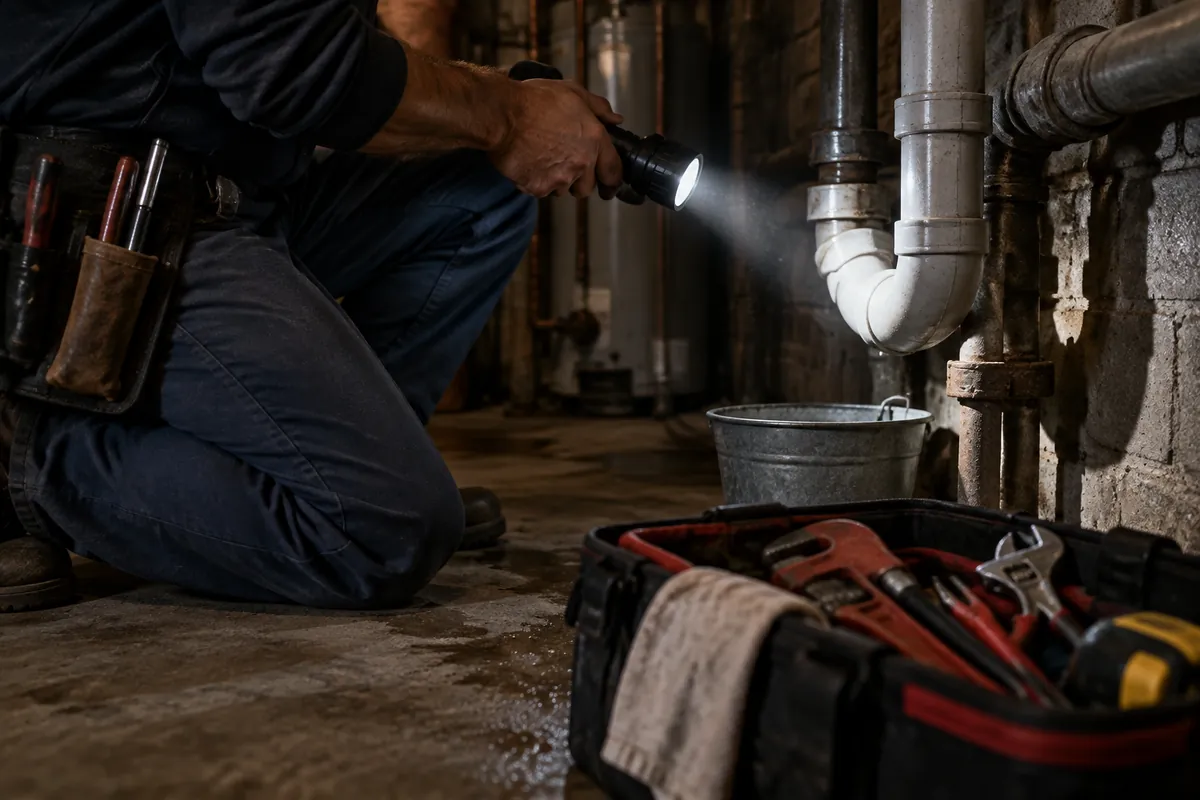
What plumbing problem are you dealing with?
You do not need the plumbing term for it. Pick what you see or hear, and the page explains what it usually means and what to do first.
Emergency plumber services for Reading homes
Every service has its own page covering the warning signs, how the repair goes and what you can do in the meantime.
Water heaters and hot water
Keep hot water flowing, or replace a tank before it floods the basement.
Drains and sewer
Clear the clog, then find out why it keeps coming back.
Leaks and repairs
Stop water early, before it reaches floors, walls and ceilings.
Home and building plumbing
Everyday fixtures, gas piping, basements and commercial properties.
What counts as a plumbing emergency in Reading
Call an emergency plumber whenever water is harming the house or waste has nowhere safe to go. A quick test helps. If another eight hours would make the damage worse, phone now.
These situations qualify, whatever the hour:
- A pipe is bursting or leaking and the fixture valve will not stop it.
- A water heater is leaking from the tank, or the room smells of gas.
- Sewage or gray water is rising through a tub, shower or basement floor drain.
- A toilet keeps overflowing after you close the supply valve.
- The water meter is spinning while every fixture is off, and a wall or floor feels damp.
- There is no water at all, or pressure fell across the whole house at once.
Not sure? Describe it on the phone. You will hear whether it can hold until a daytime appointment and what to do until then.
What to do in the first ten minutes
Most of the damage in a plumbing emergency happens before help arrives. These four steps limit it.
Stop the water
Shut the main valve. In older Reading houses it is often on the basement wall facing the street. Then open the lowest tap so the pipes empty.
Make it safe
Water close to outlets, the panel or an appliance means keep back. Switch off power only from a dry spot you can reach safely. A gas smell means leave the building before you phone anyone.
Record it
Photograph the source, the wet areas and any damaged belongings. Insurers ask for this, and a plumber can use it.
Call and describe it
Tell them what you see, whether the water is clean or came up a drain, and whether the house has a basement, crawlspace or slab.
What happens when you call the 24/7 line
Someone picks up at every hour, holidays included. Your call goes to an independent local plumber, who asks a few questions about the problem and its location.
Tell it plainly
Describe the problem the way you would to a neighbor. The plumber translates it into the likely cause.
Hear the options
You hear the probable fix, the alternatives and what to turn off until the plumber arrives. Ask whatever you like before work begins.
Approve the work
Nothing starts without your approval. If water has reached floors or walls, the plumber can steer you to water damage restoration.
Plumbing emergency right now?
Call the 24/7 line and say what you see. A plumber will tell you what to shut off first.
Older Reading homes and what is behind the walls
Housing in the city spans more than a century, and the pipes follow the era. This table shows what plumbers commonly find by decade. It is a general guide, not a statement about any one address.
| Home built | Supply pipes commonly found | Drain pipes commonly found | What tends to fail |
|---|---|---|---|
| Before 1940 | Galvanized steel, sometimes a lead service line | Cast iron and clay | Low pressure from corroded supply pipe, roots and cracks in clay laterals |
| 1940 to 1970 | Galvanized steel or copper | Cast iron | Pinhole leaks and slow drains from scaled cast iron |
| 1970 to 1990 | Copper | Cast iron or PVC | Failing solder joints and worn shutoff valves |
| After 1990 | Copper or PEX | PVC | Worn fixtures and water heater failure |
The EPA notes that lead pipes are more likely in older cities and in homes built before 1986. Ask your water supplier whether it has a record of what your service line is made of. A water line repair visit shows what is actually underground.
Old drains are the other recurring call. Clay joints let roots in, and cast iron scales from the inside, so a line that clogs twice in a year usually needs a camera look, not another cable. See drain cleaning for how that works.
Winter, thaw and spring in Reading
January in Reading averages a high near 38 degrees and a low near 23, with about 25 inches of snow in a typical year. Pipes in unheated garages, crawlspaces and exterior walls freeze first, and a thaw is when the split shows itself as a spreading wet spot.
Cold also stresses the city's own mains. Local news reported a six-inch main break on the 200 block of North 4th Street in extreme cold, and other breaks the same week led to boil water advisories. If your pressure drops or the water turns cloudy, check with neighbors before assuming the problem is inside your house.
Spring brings the opposite problem. Heavy rain raises groundwater, and basement floors seep or sump pumps run without rest. A frozen pipe repair call in February and a sump call in April are the two seasonal peaks.
Local knowledge matters when plumbing goes wrong in Reading
Reading has been a city since 1847. It sits between the Schuylkill River on the west, Mount Penn on the east and Neversink Mountain to the south, so many streets climb or drop and many basements sit below grade. That mix of old housing and uneven ground shapes the calls an emergency plumber in Reading gets.
Tap water in the city has long come in part from Lake Ontelaunee, a 1,082-acre reservoir created in 1926 by damming Maiden Creek. The Reading Area Water Authority delivers it, and its mains run under blocks that are well over a century old. When one breaks, pressure can drop across a neighborhood, and a plumber can tell you quickly whether the trouble is outside the house or inside it.
The river matters too. The Schuylkill at Reading crested at 31.3 feet in June 1972, more than double its 15.5-foot flood stage. Basements here still take on water in heavy rain, which is why sump pump and basement plumbing calls rise every spring.
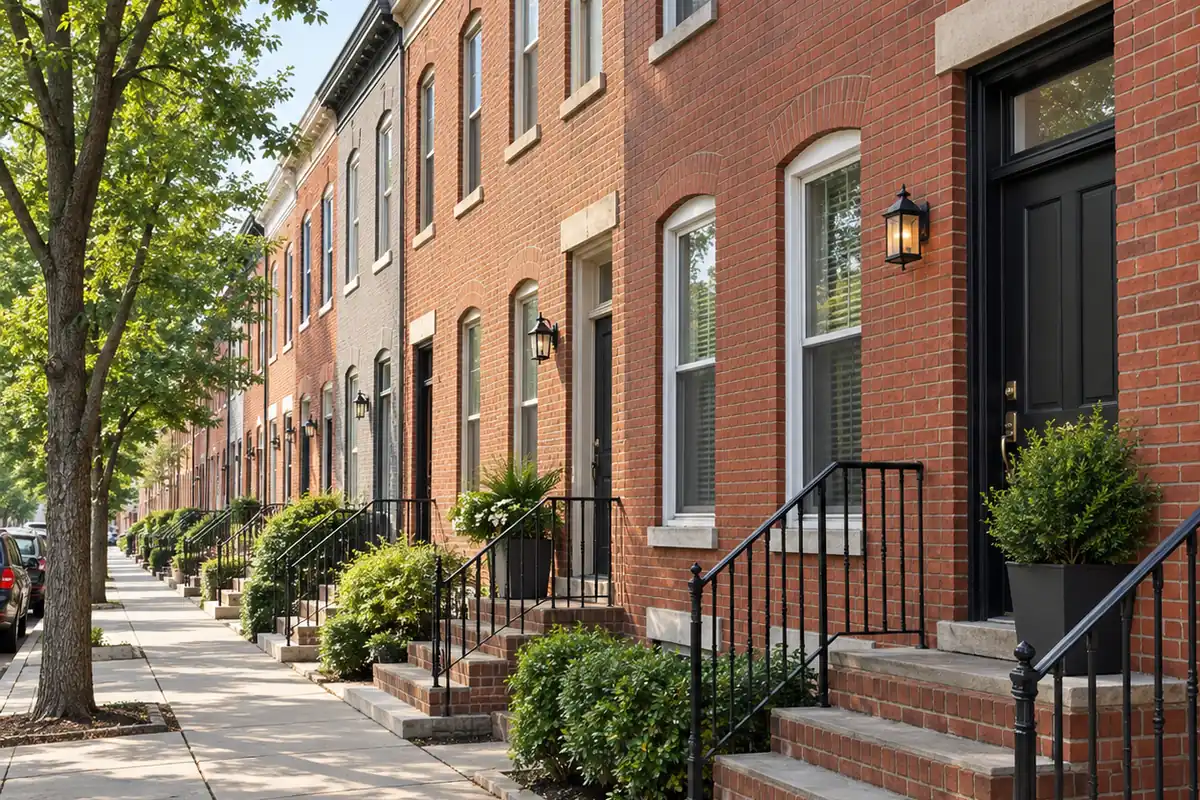
Emergency plumber coverage around Reading, PA
The line takes calls from the city and from the boroughs beside it. If your street is not listed, call anyway. A plumber confirms availability on the phone, and the service areas page explains each town.
Emergency plumber questions in Reading, PA
Can I reach an emergency plumber in Reading at night or on weekends?
Yes. Calls are taken around the clock, holidays too. Describe the problem and the plumber will say what to close first.
Which towns does the line cover?
It takes calls from the city of Reading and from Wyomissing, West Reading, Shillington, Sinking Spring and Mohnton. If you are nearby, call and the plumber will confirm availability.
Who does the plumbing work?
Reading Plumbing Co. refers callers. The plumbers you reach work independently, name their own prices and answer for their own jobs.
Do I get a price before work starts?
Ask for the likely fix and its cost before you approve any work. Reading Plumbing Co. refers callers and cannot set or guarantee an independent plumber's price.
What should I do if I smell gas?
Get out of the building at once and call 911 or your gas utility from outdoors. Skip the light switches, flames and indoor phones. After the utility clears the house, a plumber can inspect the piping. See gas line repair.
Is a water main break on my street my problem?
A break in the city's main is the water authority's job. A leak inside the house, or on the pipe that runs from the street to the house, is a plumbing call. Say what you see and the plumber will help work out which it is.
Sources and Standards
Where a number or a rule appears above, the reference behind it is listed here.
Plumbing emergency in Reading?
Phone any hour. A plumber will talk through the situation and name the first valve to close.
(610) 702-9688 Call the 24/7 line